




Revenue is often the headline number in business conversations. It is easy to measure, easy to compare, and easy to celebrate. Many small business owners assume that increasing revenue automatically increases the value of their company. While revenue matters, it is rarely the primary driver of business value. Sophisticated buyers, lenders, and investors look far beyond top-line sales. They focus on the quality, sustainability, and risk profile of earnings.
Profitability is the first factor that drives value more than revenue. A business generating two million dollars in revenue with thin margins may be less valuable than a business generating one million dollars with strong, consistent profitability. Buyers evaluate earnings because earnings represent return on investment. Margins reflect pricing discipline, cost control, and operational efficiency. Strong margins signal a well-managed company, not just a busy one.
Equally important is the consistency of earnings. Volatile income reduces confidence. If revenue and profit fluctuate dramatically from year to year, perceived risk increases. Predictable performance commands higher valuation multiples because it reduces uncertainty. Recurring revenue models, long-term contracts, subscription arrangements, and repeat clients all contribute to stability. Consistency demonstrates that results are not dependent on a single large project or temporary spike in demand.
Customer concentration also plays a significant role. A company that relies heavily on one or two major clients carries higher risk. If one client leaves, revenue may decline sharply. Diversified customer bases reduce this exposure and increase perceived durability. Buyers are willing to pay more for businesses where revenue is spread across multiple stable relationships rather than concentrated in a few accounts.
Operational independence from the owner is another powerful value driver. Many small businesses generate healthy revenue but depend entirely on the founder’s relationships, expertise, or daily involvement. This creates transition risk. If the owner steps away, performance may decline. Companies with documented systems, trained managers, and distributed decision-making are more transferable. The less dependent a business is on one individual, the more valuable it becomes.
Quality of financial reporting also influences value. Clean, accurate, and timely financial statements increase buyer confidence. Disorganized records, unclear expense classifications, or inconsistent accounting practices create doubt. Transparent reporting signals professionalism and reduces perceived risk during due diligence. Buyers pay for clarity because it reduces surprises.
Growth potential matters as well. Value is influenced not only by current performance but by future opportunity. Businesses positioned in growing markets, serving expanding demographics, or holding competitive advantages often command higher multiples. Buyers are investing in future cash flow, not just historical results. A company with strategic positioning and clear expansion pathways may be worth more than a larger company operating in a stagnant market.
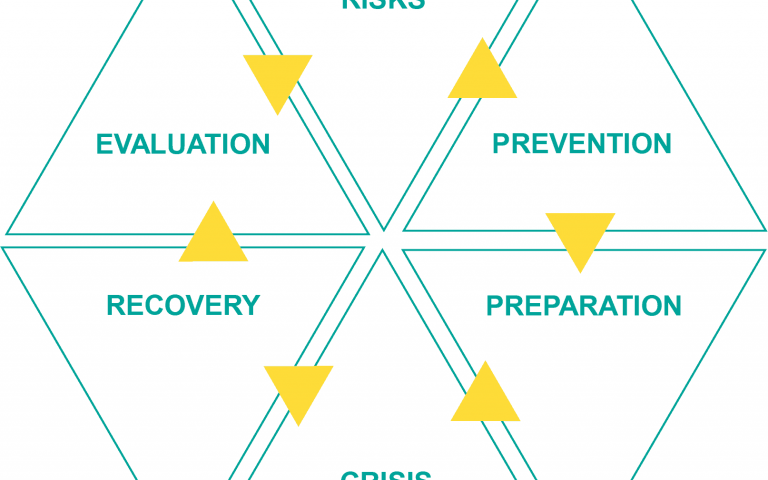
Risk profile may be the most overlooked driver of value. Legal exposure, regulatory vulnerability, key person dependence, outdated technology, or operational inefficiencies all reduce value, even if revenue is strong. De-risking a business by strengthening contracts, updating systems, diversifying suppliers, and implementing compliance procedures can materially improve valuation. Reducing uncertainty often increases value more effectively than adding revenue.
Brand strength and market differentiation contribute significantly as well. Businesses that compete solely on price often struggle to maintain margins and loyalty. Companies with defined niches, strong reputations, and differentiated offerings build durable competitive advantages. Brand equity supports pricing power, which in turn strengthens profitability and stability.
Workforce stability is another factor. High turnover increases training costs and operational disruption. A capable, loyal team reduces transition risk and supports continuity. Buyers evaluate management depth and cultural health because they influence future performance.
Ultimately, business value is a function of risk and return. Revenue alone tells only part of the story. Return is reflected in sustainable profitability. Risk is reflected in concentration, volatility, dependency, and operational weakness. The combination of strong earnings and low risk drives higher multiples.
For small business owners, this distinction is critical. Focusing solely on revenue growth can create the illusion of progress while underlying risks remain unaddressed. A strategic approach prioritizes margin improvement, recurring revenue, systematization, diversification, and financial clarity. These factors strengthen the foundation of the company and increase optionality.
Building business value requires intentional design. It requires thinking beyond this year’s sales target and considering how the company would be viewed by an outside investor. When owners shift their focus from chasing revenue to strengthening fundamentals, value often increases naturally.
Revenue is important. It reflects market demand and growth. But value is created by the quality of earnings, the stability of operations, and the reduction of risk. Businesses that prioritize these elements position themselves not only for stronger performance today, but for greater opportunity tomorrow.
***
TITAN Business Development Group, LLC
business coaching | advisory | exit planning