




Your business could be losing thousands of dollars right now, and the reason may be something you already know needs to be fixed.
Not a bad economy. Not increased competition. Not rising costs. Something you’ve been putting off.
Maybe it’s the employee who hasn’t been performing for months. The prices you know should have been raised last year. The customer who consumes far more time than they’re worth. Or the outdated process that frustrates everyone but somehow never gets changed.
You recognize the problem. You know something needs to be done. You’ve probably even told yourself, “I’ll deal with it when things settle down.”
But things never seem to settle down, do they?
Meanwhile, the problem continues, the costs accumulate, and opportunities slip away. And because nothing dramatic happens on any particular day, it’s easy to convince yourself that waiting a little longer won’t hurt.
Here’s what many business owners fail to recognize: Doing nothing isn’t avoiding a decision. Doing nothing IS a decision, and it may be one of the most expensive decisions you’ll ever make.
One of the biggest misconceptions in business is that maintaining the status quo means things will remain the same. In reality, businesses operate in constantly changing environments. Customer expectations evolve, competitors improve, operating costs increase, and technology continues to advance. While you’re standing still, the world around you keeps moving.
Consider a business owner who knows prices need to increase but keeps putting it off out of fear of losing customers. Meanwhile, payroll, insurance, supplies, and other operating expenses continue to rise. Every month that passes without a pricing adjustment further erodes profitability. The owner may feel they’ve avoided a difficult conversation with customers, but what they’ve actually done is accept lower margins.
And the financial impact can be significant. Consider a business generating $1 million in annual revenue that postpones a justified 5% price increase for an entire year. Assuming sales volume remains unchanged, that’s potentially $50,000 in additional revenue left on the table. Depending on the business’s cost structure, much of that amount could have contributed directly to the bottom line.
The same principle applies to employees. Many business owners tolerate poor performance far longer than they should. Perhaps an employee consistently misses deadlines, makes costly mistakes, or creates friction within the organization. Rather than confronting the issue, the owner hopes things will improve on their own. Meanwhile, productive employees become frustrated, customer service suffers, and the owner spends additional time correcting problems. What initially seemed like avoiding an uncomfortable conversation becomes an ongoing financial and operational burden.
Then there’s the issue of outdated systems and processes. Business owners frequently recognize that certain procedures are inefficient but continue using them because “that’s the way we’ve always done it.” They may resist implementing new software, delegating responsibilities, or documenting procedures because making changes requires time, money, and effort. Yet those inefficiencies quietly consume valuable resources every day. Over the course of a year, the cumulative cost can be substantial.
The problem with inaction is that its costs rarely appear as a separate line item on your financial statements. There’s no expense account labeled “Opportunities We Ignored” or “Money Lost Because We Waited Too Long.” Instead, those costs are buried in declining margins, lost customers, unnecessary overtime, missed sales, employee turnover, and countless hours of wasted productivity.
Perhaps the most damaging consequence of inaction is the opportunity cost. Every dollar, hour, or resource committed to maintaining an inefficient situation is something that cannot be used elsewhere. Time spent repeatedly fixing the same operational problems is time that could have been invested in developing new customers, improving products, strengthening your team, or pursuing strategic opportunities.
Inaction can also have a significant impact on the long-term value of a business. A company that remains heavily dependent on its owner, lacks documented procedures, or consistently postpones necessary improvements may generate acceptable income today but be considerably less attractive to a potential buyer tomorrow. Business value isn’t determined solely by current profitability. It’s also influenced by risk, sustainability, growth potential, and the company’s ability to operate successfully without the owner’s constant involvement.
And there’s another cost that’s often overlooked: the personal toll on the business owner. Unresolved problems don’t simply disappear when you leave the office. They follow you home, occupy your thoughts, disrupt your sleep, and contribute to the stress that so many business owners experience. Ironically, the very issues you’re avoiding to reduce stress often become some of its biggest sources.
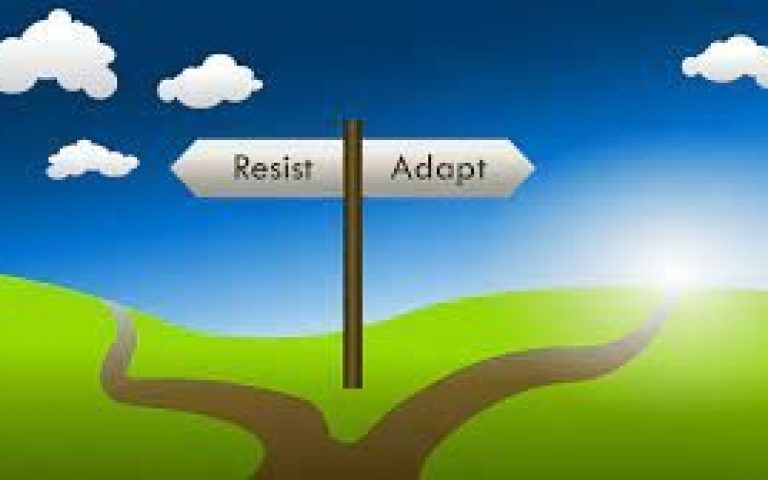
Of course, this doesn’t mean business owners should rush into every decision. Thoughtful analysis, appropriate planning, and evaluating alternatives are essential components of effective leadership. There’s a meaningful difference, however, between taking time to make an informed decision and repeatedly postponing a decision because it’s uncomfortable or inconvenient.
So how do you break the cycle?
Start by identifying the issues you’ve been avoiding. Most business owners already know where at least some of their problems exist. They’re the situations that repeatedly cause frustration, consume disproportionate amounts of time, or keep appearing on the same to-do list month after month.
Next, consider what those unresolved issues are actually costing your business. Estimate the financial impact where possible, but don’t overlook the less obvious consequences, such as lost productivity, management distraction, customer dissatisfaction, and missed opportunities. Sometimes putting even an approximate dollar value on a problem provides the motivation needed to address it.
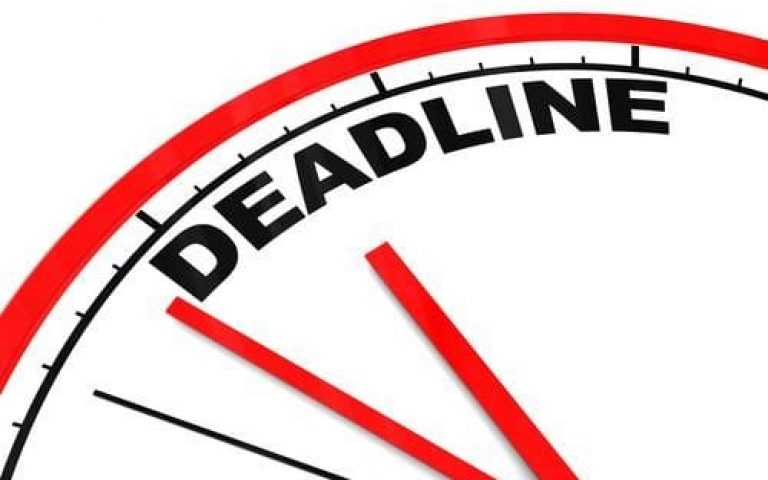
Finally, establish a specific course of action and a deadline. Not every problem can be solved immediately, but nearly every problem can be moved closer to resolution. The key is replacing indefinite postponement with deliberate action and accountability.
As a business owner, your responsibility isn’t simply to keep the business running today. It’s to make decisions that position the business for continued success tomorrow. That often means confronting uncomfortable realities, challenging established practices, and making changes before circumstances force your hand.
The greatest risk to your business may not be making the wrong decision. It may be allowing an important decision to go unmade for far too long.
At TITAN Business Development Group, we help small business owners identify obstacles, evaluate opportunities, and develop practical strategies for moving their businesses forward. If you’ve been putting off important decisions or aren’t sure where to begin, schedule a complimentary consultation to discuss your challenges and explore your options.
Call 973-601-3275, email information@titanbdg.com, or visit www.TitanBDG.com.
Because doing nothing may feel free, but that doesn’t mean it isn’t costing you.











































































You must be logged in to post a comment.